A library for choosing between real options
Read side-by-side editorial comparisons, inspect the published details, and weigh the verdict against your needs. Prices are snapshots, not live offers.
Air Fryer vs Convection Oven: Which Cooks Better for Your Kitchen in 2026?

We compare crispiness, cooking speed, capacity, versatility, energy use, counter space, cleanup, and cost so you can choose the hot-air appliance that fits how you cook, how many people you feed, and how much room you have.
Hot-air cooking has taken over the modern kitchen. Air fryers went from novelty gadget to everyday staple in just a few years, while convection ovens—countertop units or a fan setting on a full-size range—have quietly offered faster, more even cooking for decades. That overlap creates a common question: is an air fryer just a small convection oven, and if so, do you really need both? The short answer is that they use the same basic idea—a fan circulating hot air—but in very different packages. An air fryer concentrates intense airflow in a small chamber for maximum crispiness and speed. A convection oven spreads gentler airflow across a larger space for capacity and versatility. In this 2026 comparison, we look at how each appliance works, how they compare on crispiness, speed, capacity, energy use, cleanup, and cost, and which one makes the most sense for your household size and cooking style.
CompariVerse Editorial
Term vs Whole Life Insurance: Which Protects Your Family Better in 2026?

We compare premiums, coverage length, cash value, flexibility, fees, and best uses so you can choose the life insurance that protects the people who depend on you without overpaying for features you don't need.
Life insurance is one of those financial decisions that's easy to put off—until you have a partner, kids, a mortgage, or anyone else who would struggle financially without your income. Once you decide you need coverage, the first big choice is usually between term life insurance and whole life insurance. Both pay a tax-free death benefit to your beneficiaries in most cases, but they're built for different jobs. Term life is simple, affordable protection for a specific number of years. Whole life is permanent coverage that also builds cash value, at a much higher price. In this 2026 comparison, we explain how each policy works, how premiums and cash value compare, when permanent coverage can make sense, how much coverage people commonly consider, and a straightforward framework for deciding which type fits your family.
CompariVerse Editorial
Mesh Wi-Fi vs Wi-Fi Extender: Which Fixes Dead Zones Better in 2026?

We compare coverage, real-world speed, roaming, setup, Wi-Fi 6E and Wi-Fi 7 support, and cost so you can kill dead zones without overspending on gear your home doesn't need.
Few things are more frustrating than a video call that freezes the moment you walk into the bedroom, or a smart TV that buffers in the one room where you actually watch it. Dead zones are a common problem, especially in larger homes, multi-story houses, and buildings with thick walls, brick, concrete, or metal that blocks wireless signals. The two most popular fixes are a mesh Wi-Fi system and a Wi-Fi extender. Both promise to spread your signal farther, but they work very differently. An extender is a single add-on that repeats your existing router's signal. A mesh system replaces (or works alongside) your router with a team of nodes that coordinate to blanket your home in one seamless network. In 2026, with Wi-Fi 6E and Wi-Fi 7 gear becoming mainstream, faster internet plans more common, and more smart-home devices on every network, the choice matters more than ever. This guide explains how each option works, how they compare on speed, coverage, roaming, setup, and cost, and when one clearly beats the other.
CompariVerse Editorial
Latest Comparisons
12 Articles
Electric vs Manual Toothbrush: Which Cleans Your Teeth Better in 2026?
We compare plaque removal, gum health, technique, sonic vs oscillating designs, cost over time, convenience, and who benefits most so you can choose the toothbrush that fits your mouth, your habits, and your budget.

Heat Pump vs Gas Furnace: Which Heats Your Home Better in 2026?
We compare upfront cost, running costs, cold-climate performance, comfort, lifespan, maintenance, and incentives so you can pick the heating system that fits your climate, your energy prices, and your budget.

High-Yield Savings Account vs CD: Where Should Your Cash Go in 2026?
We compare interest rates, flexibility, early-withdrawal penalties, rate changes, safety, and best uses so you can park your emergency fund and short-term savings in the right place.

Leasing vs Buying a Car: Which Is Smarter in 2026?
We compare monthly payments, upfront costs, mileage limits, equity, wear-and-tear rules, and long-term value so you choose the deal that fits your driving—not the dealer's favorite.

Creatine vs Whey Protein: Which Supplement Should You Take in 2026?
We compare what each actually does, dosing, evidence strength, timing, cost, and safety so you spend your supplement budget on the one that matches your goals—not the loudest gym ad.

Memory Foam vs Hybrid Mattress: Which Sleeps Better in 2026?
We compare pressure relief, motion isolation, edge support, heat, and durability so you pick a mattress that matches how you sleep—not the marketing foam count.

Intermittent Fasting vs Calorie Counting: Which Works Better in 2026?
We compare adherence, hunger, muscle retention, social life, and evidence quality so you pick a fat-loss approach you can actually sustain—not a viral protocol.

OLED vs QLED TV: Which Display Technology Wins in 2026?
We compare blacks, brightness, gaming, burn-in risk, and room lighting so you pick the panel that matches how you actually watch—not the marketing label.

Standing Desk vs Treadmill Desk: Which Is Better for Work in 2026?
We compare ergonomics, focus, calorie burn, noise, and setup cost so you choose a workstation that fits your job—not a productivity trend.

Roth IRA vs Traditional IRA: Which Retirement Account Is Better in 2026?
We compare tax treatment, contribution limits, income eligibility, withdrawals, and who each account favors so you can choose with clearer numbers.
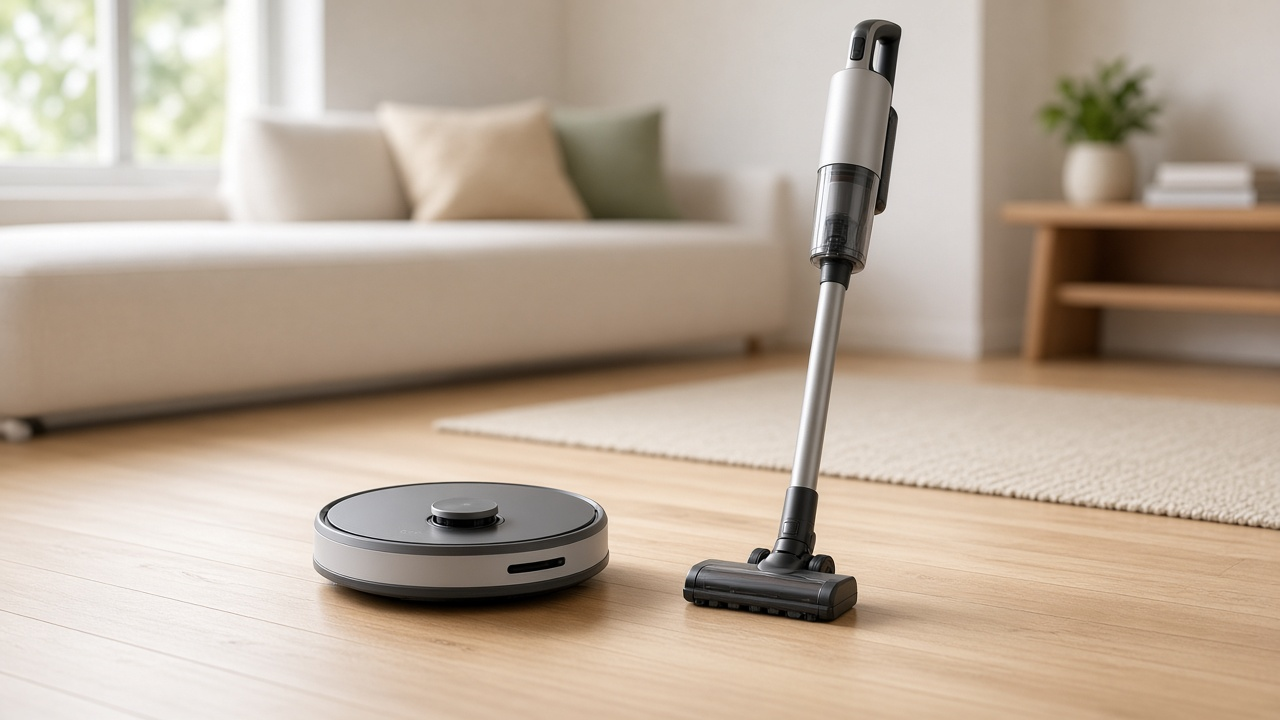
Robot Vacuum vs Traditional Vacuum: Which Should You Buy in 2026?
We compare cleaning power, pet hair, floors, maintenance, and real weekly time saved so you buy the tool that matches your home—not the hype.

AirPods Pro 3 vs Sony WF-1000XM5: Which Premium Earbuds Win in 2026?
We compare noise cancellation, sound quality, battery life, and ecosystem fit to help you choose the right premium wireless earbuds.
Frequently asked questions
- What is CompariVerse?
- CompariVerse is a free-to-read library of side-by-side editorial comparisons across technology, cars, home, health, finance, lifestyle, and other topics.
- How does CompariVerse work?
- Browse a category, search for a topic, or select two entities with an existing comparison. Read the summary, compare the published details, and use the verdict to consider which option fits your needs.
- What can I compare?
- The library covers products, vehicles, people, services, and everyday choices. The comparison selector shows only combinations for which an article already exists; it does not generate unsupported comparisons.
- Is CompariVerse free?
- The published comparisons and guides can be read without payment or an account.
- Does CompariVerse offer live prices?
- No. Prices and specifications are editorial snapshots, not a live retailer feed. Check the provider and any listed source before buying.